Today, professional meetings no longer follow a single model. They must be adapted to the objectives, participants, and constraints of each organization. The choice of format directly influences determining factors like the quality of discussions, participant engagement, and the effectiveness of the decisions made. Structuring a meeting well is the first step to ensuring its success.
In this short guide, we’ll share practical insights and key considerations to help you choose the right meeting format and organize a successful event.

Define the objective before the format
Before making any practical arrangements, it is essential to clarify what the meeting is intended to achieve. Decision-making, team alignment, problem-solving, or creative exchanges: each objective generally calls for a specific format.
An executive meeting will prioritize focus and confidentiality while a collaborative workshop will emphasize interaction and flexibility.
Clear expectations enable participants to engage fully in the meeting.
Formats tailored to each type of meeting
The effectiveness of a meeting largely depends on choosing a format that aligns with its objectives, participants, and expected level of interaction. Just as important, however, is selecting a venue capable of supporting these different formats in a practical and flexible way.
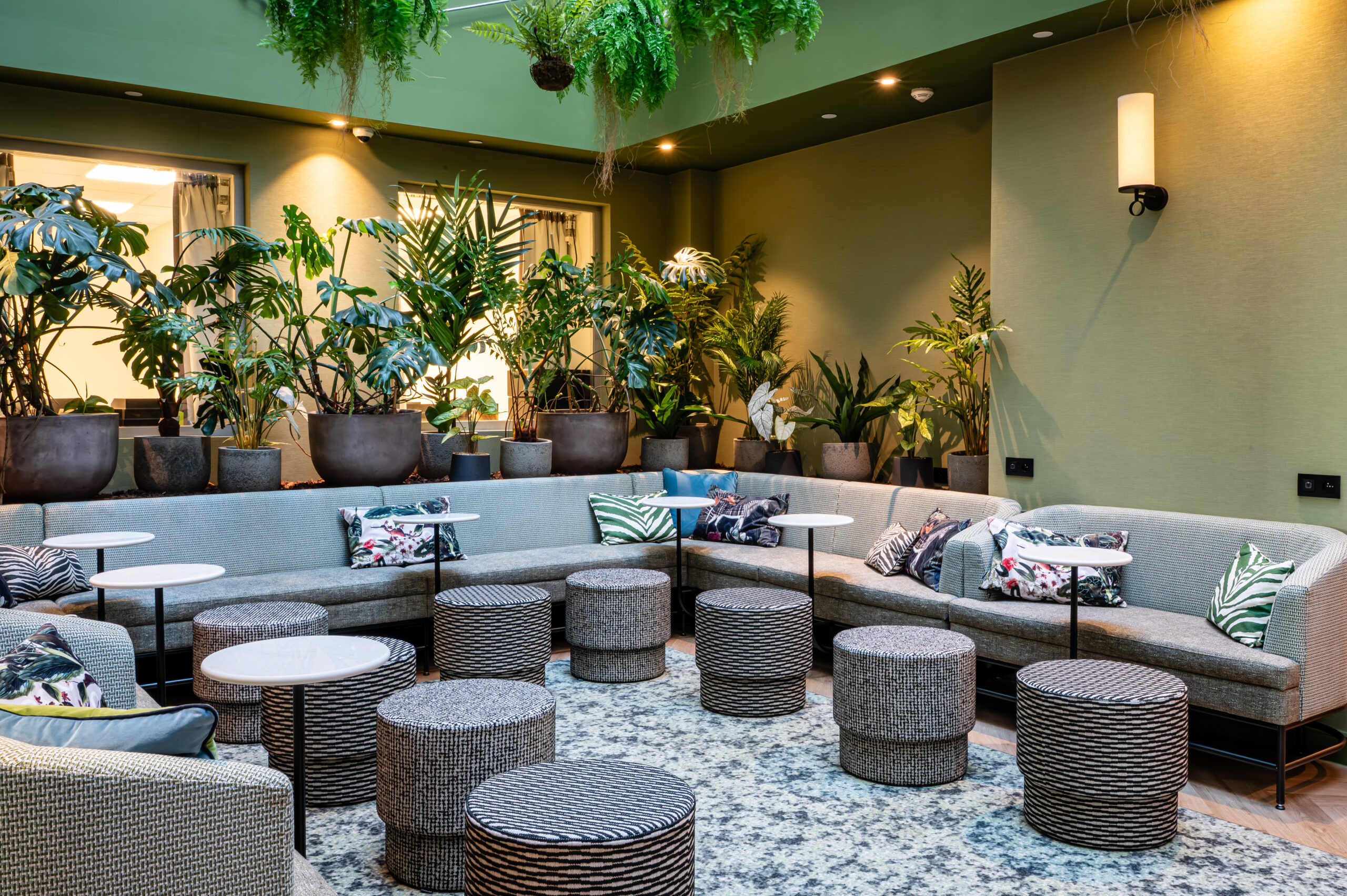
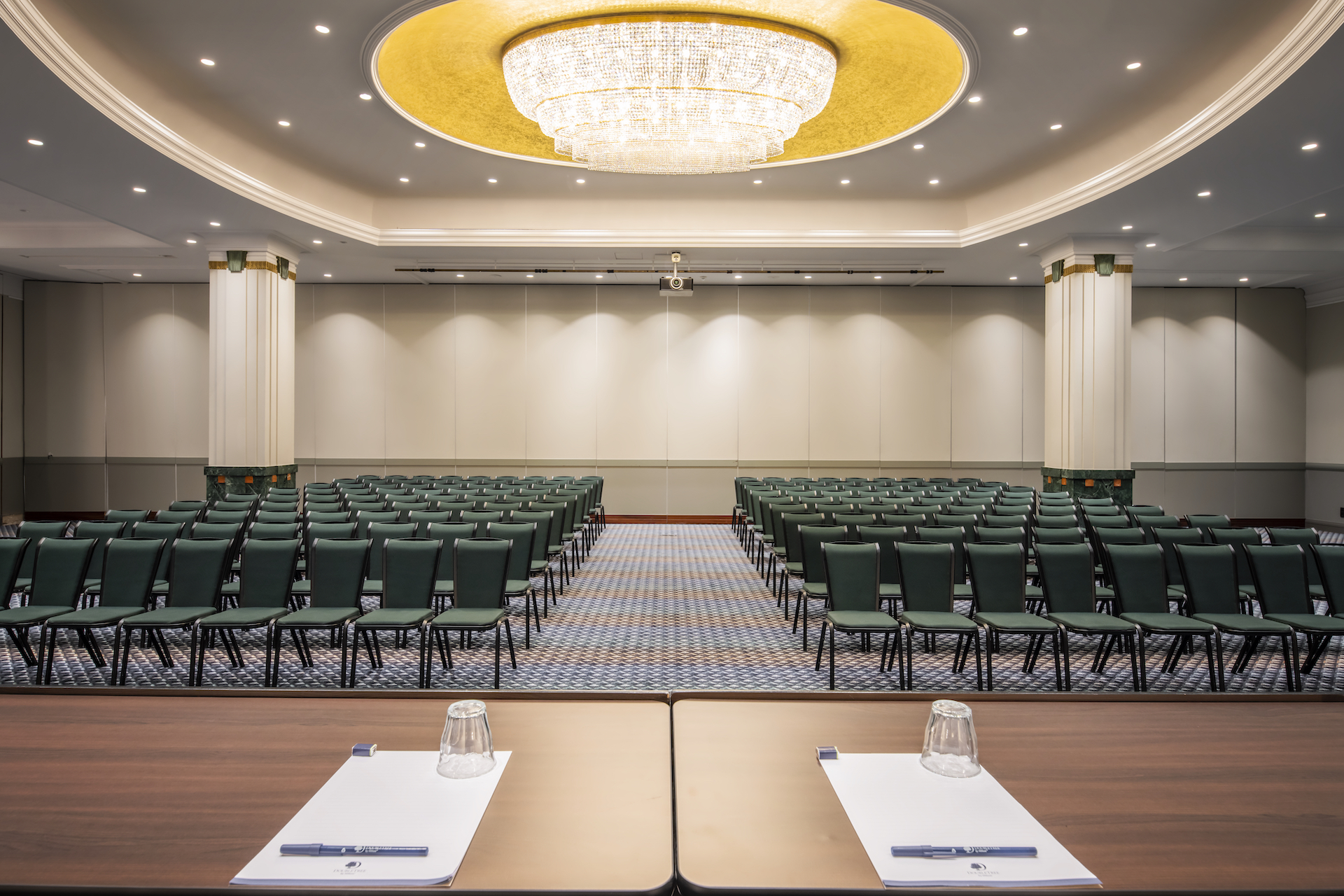
Formal meetings continue to play a key role in strategic discussions and decision-making processes. They typically require a structured environment that supports concentration, confidentiality, and clear communication. In this context, hotels such as DoubleTree offer boardroom-style meeting spaces equipped to host executive meetings, presentations, and governance sessions in a professional and controlled setting.
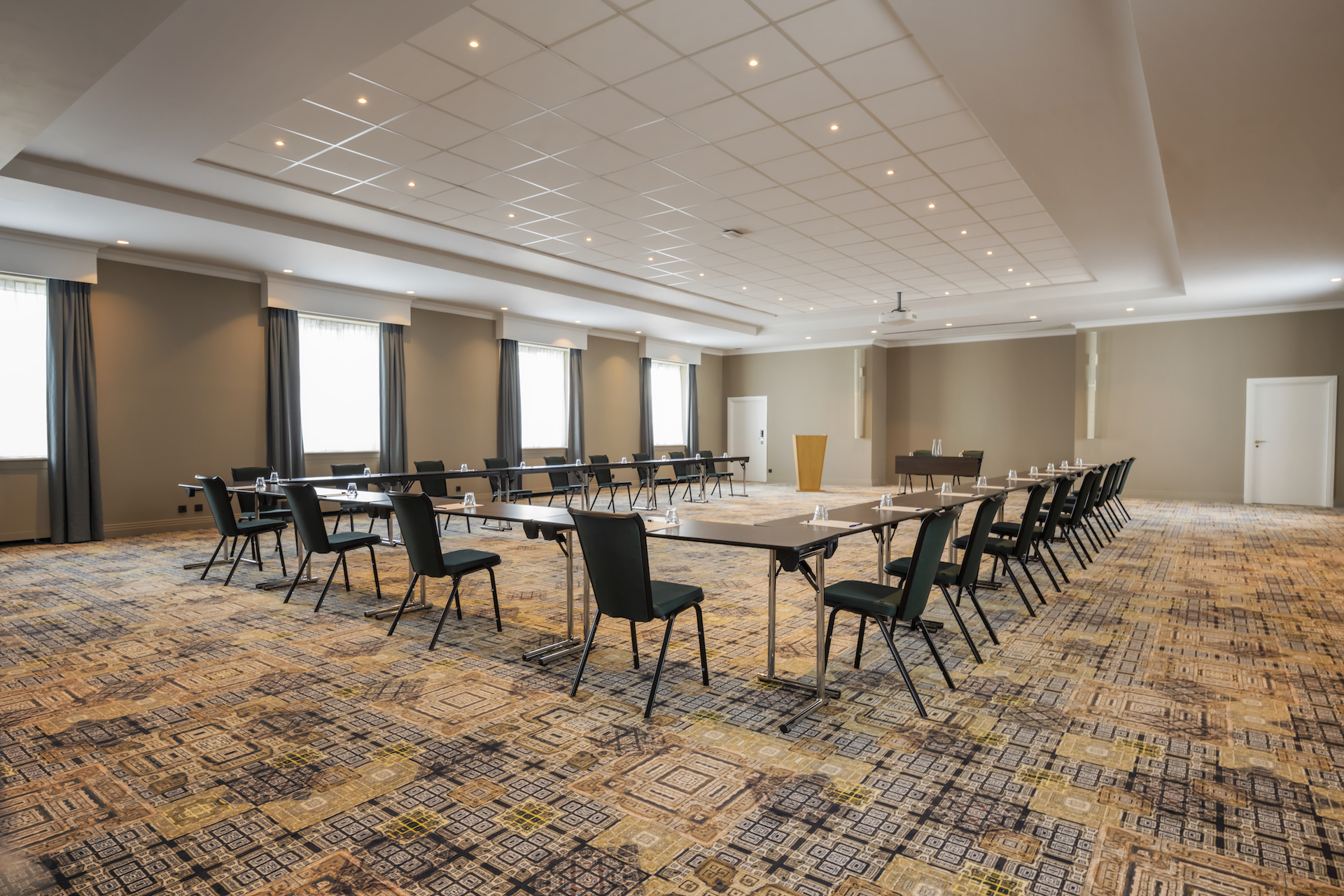
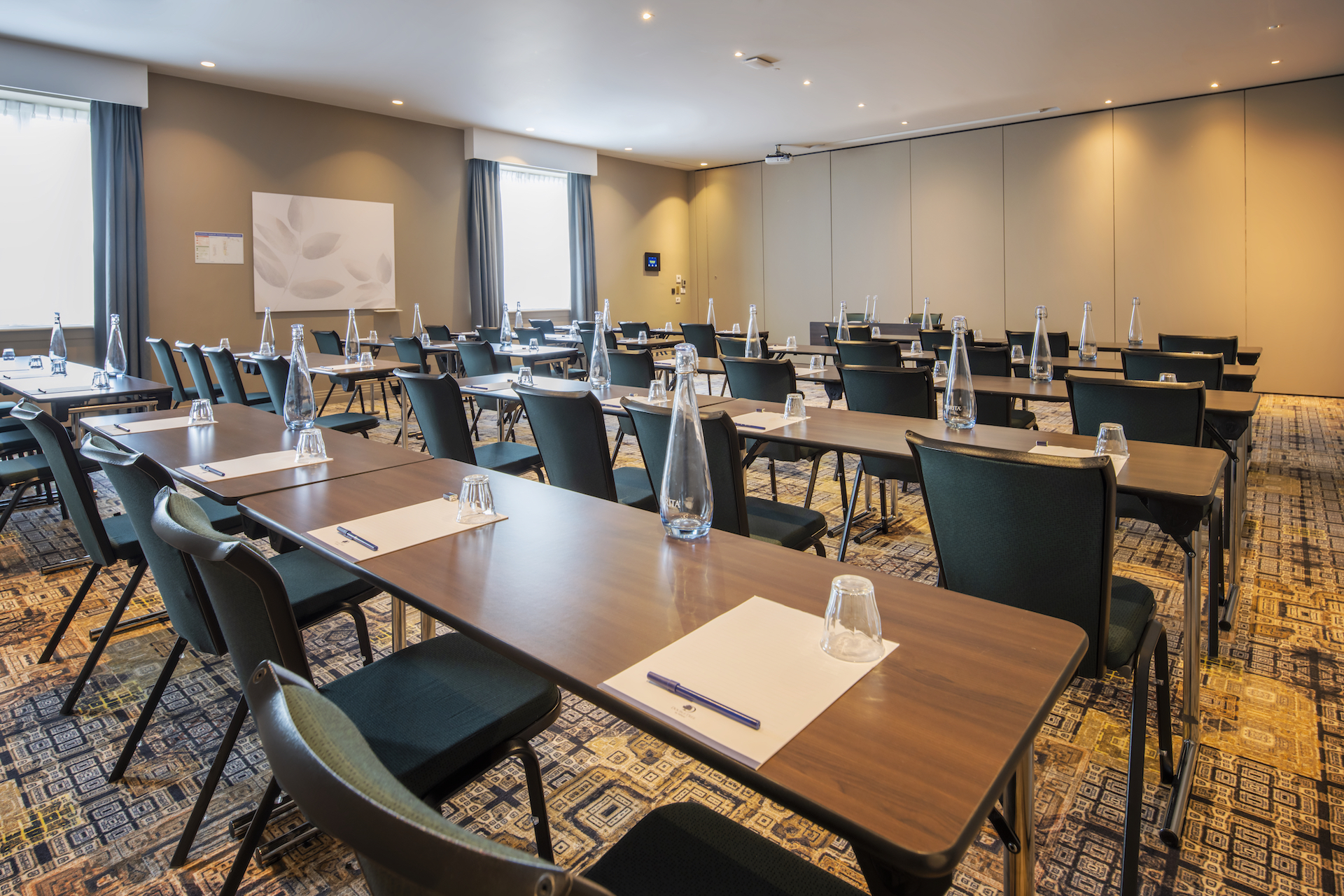
Workshops and collaborative sessions, on the other hand, are built around participation and exchange. These formats benefit from spaces that can easily adapt to group work, movement, and changing dynamics throughout the day. At DoubleTree, modular meeting rooms can be arranged in different layouts, such as U-shape or classroom, allowing facilitators to adjust the space according to the rhythm and objectives of the session.
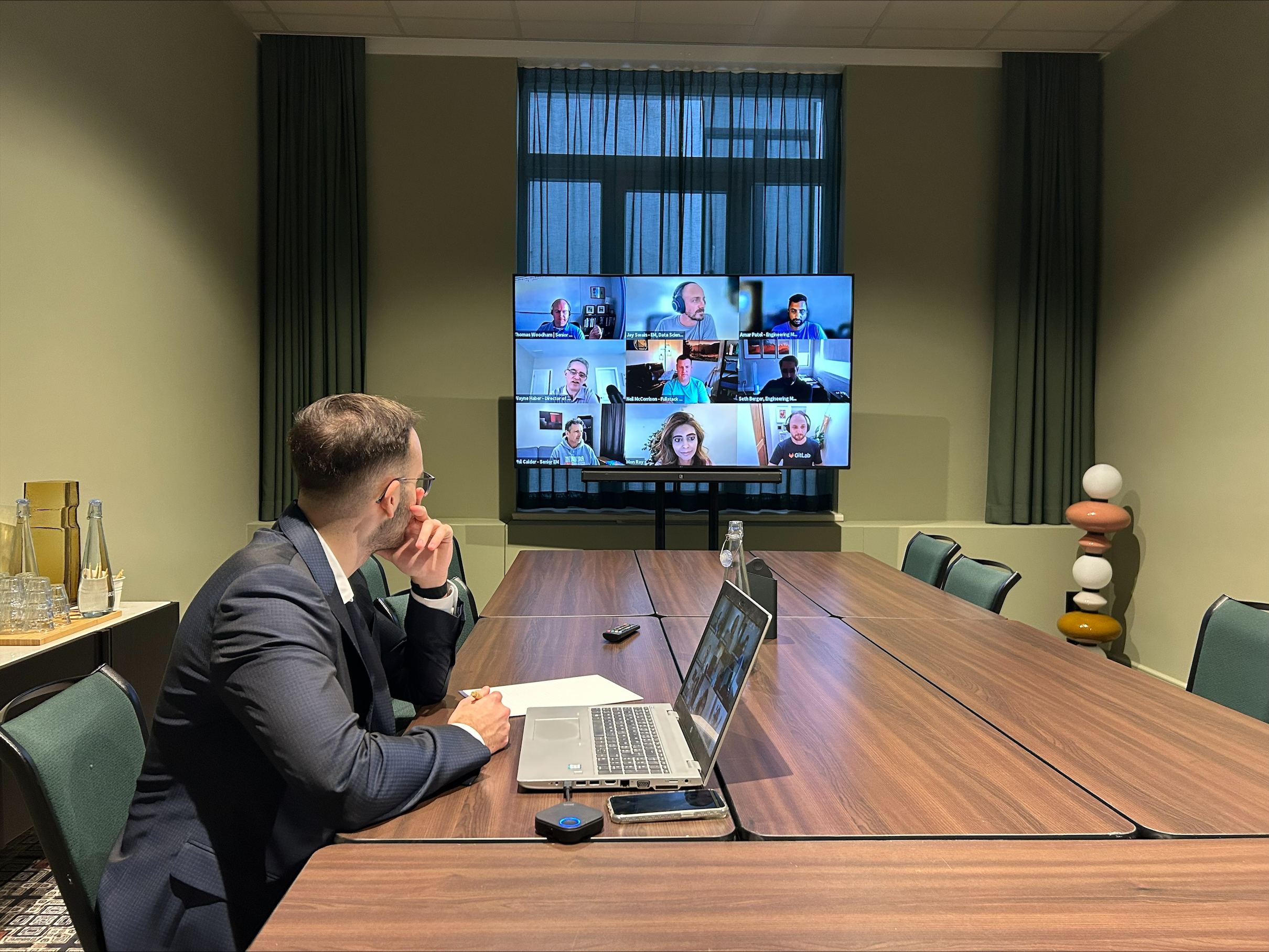
Hybrid meeting formats, now well established in 2026, respond to the growing need for flexibility and inclusivity. Successfully hosting this type of meeting requires reliable technology, clear facilitation, and spaces designed to accommodate both on-site and remote participants. Meeting environments equipped with video conferencing tools and stable connectivity, such as those available at DoubleTree, help ensure a balanced and seamless experience for all attendees.
When the venue supports the format
The success of a meeting also depends on the environment. Modular, well-equipped spaces make it easy to adapt the format to the needs of the moment.
The way a room is set up, whether it is in boardroom, in a classroom or a U-shape directly influences how participants interact, share information and make decisions.
When the environment supports the chosen format, it helps create smoother discussions, encourages collaboration and allows meetings to run more efficiently.

Meetings designed for today
When the format, objective, and setting are aligned, participants are more engaged, time is used more effectively, and results are more concrete.
In 2026, choosing the right meeting format has become a strategic decision, essential for creating effective and lasting exchanges.
Looking to bring your next meeting to life? At DoubleTree, we support a wide range of meeting formats with flexible spaces and a dedicated team, helping organizers turn well-structured ideas into successful events !
Ready to Plan your next meeting?
For more details about our Meetings & Events space or to plan your event with us, visit our website or contact our team via : groups@doubletreebrussels.com